
See the Northern Lights in Canada Tonight
Real-time aurora forecast, easy-to-understand metrics, and your chances of seeing the Northern Lights all in one place.
Northern Lights Forecast in Canada (Real-Time Guide)
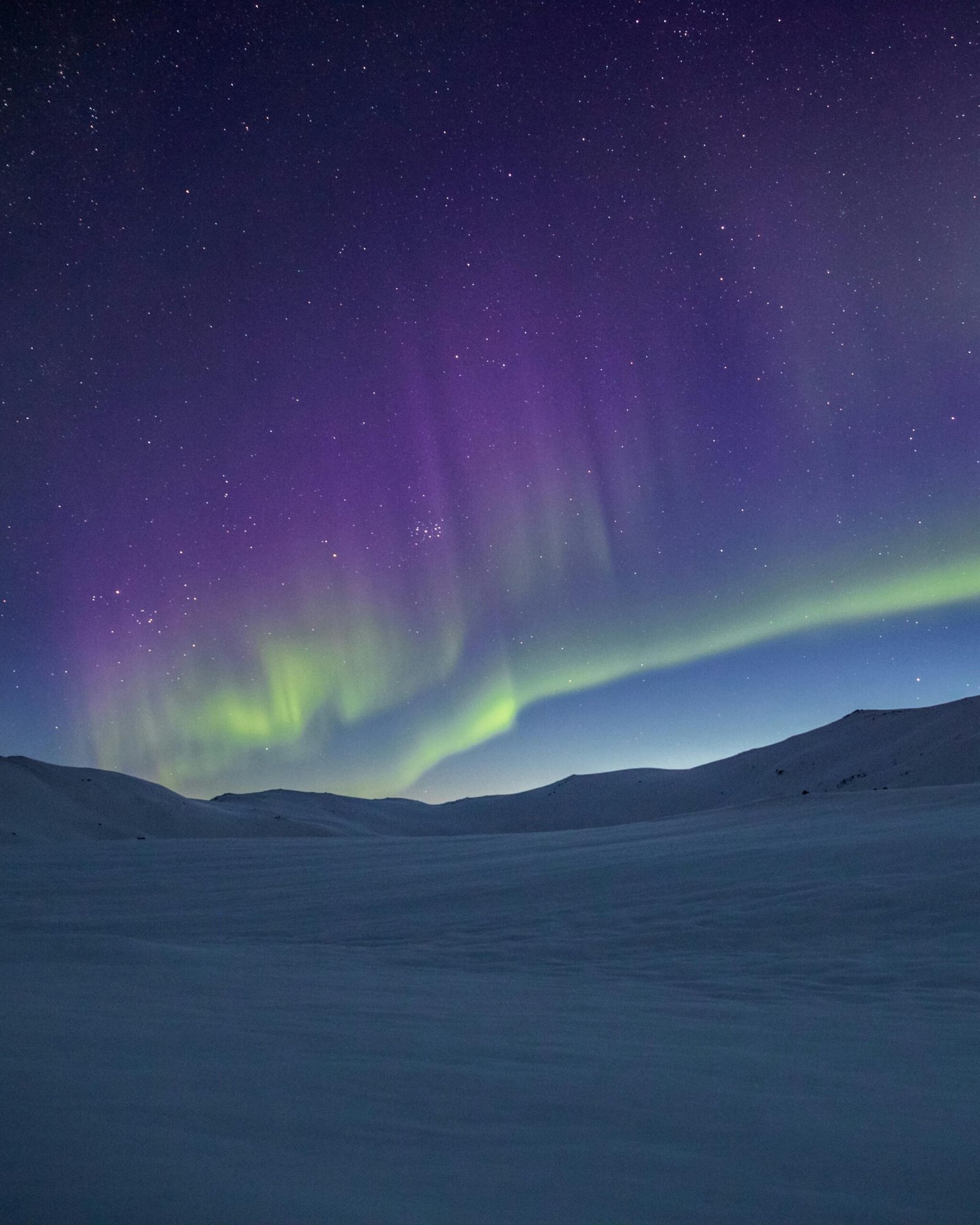
The Northern Lights, also known as the aurora borealis, are one of the most breathtaking natural phenomena visible in Canada. This website provides a real-time aurora forecast to help you understand when and where you may be able to see them.
Aurora activity is influenced by several space weather factors, including solar wind speed, geomagnetic activity (Kp index), and the Earth’s magnetic field. However, visibility also depends on local conditions such as cloud coverage, light pollution, and time of night.
In general, the best chances of seeing the Northern Lights occur between 10 PM and 2 AM in areas with dark, clear skies. Higher geomagnetic activity increases the likelihood that auroras will be visible further south across Canada.
Use the live aurora dashboard above to monitor current conditions, and refer to the guide below to better understand how each factor affects your chances. Whether you are a beginner or an experienced aurora hunter, combining real-time data with the right viewing conditions will greatly improve your chances of witnessing this incredible display.
[aurora_dashboard_pro]
How to Read the Aurora Forecast
If you’re new to aurora hunting, these are the key things to watch
Understand the key factors that affect your chances of seeing the Northern Lights explained simply for beginners.
How to Read the Aurora Forecast
Aurora Visibility
Aurora visibility depends on both solar activity and sky conditions.
– 🟢 High (70–100%) – Very likely visible
– 🟡 Moderate (40–69%) – Possible with clear skies
– 🔴 Low (0–39%) – Unlikely
Higher percentages mean better chances of seeing the Northern Lights.
Best Time to Watch
The Northern Lights are most visible during late night hours.
🕒 10:00 PM – 2:00 AM
– Darkness is essential for visibility
– Activity often peaks around midnight
– Longer viewing increases your chances
Cloud Coverage
Clouds can completely block your view of the aurora.
– Clear skies = best viewing conditions
– Partial clouds may reduce visibility
– Overcast skies will hide auroras entirely
Always check your local weather before heading out.
Aurora Strength (Kp Index)
The Kp Index measures geomagnetic activity.
0–2 → Weak activity
3–4 → Visible in northern regions
5+ → Strong aurora, visible further south
Higher Kp values mean stronger aurora displays.
Solar Wind Speed
Solar wind carries energy from the sun toward Earth.
– Slow wind → Lower aurora activity
– Moderate wind → Increased chances
– Fast wind → Stronger auroras
Faster speeds can lead to brighter and more active displays.
Magnetic Field (Bz)
The Bz value shows how solar energy interacts with Earth.
– Positive Bz → Less aurora activity
– Negative Bz → Better aurora conditions
Strong negative values increase your chances of seeing auroras.
Use the live aurora dashboard above together with these indicators to plan your viewing. Strong solar activity combined with clear, dark skies gives you the best chance to see the Northern Lights.
Best Places to See Northern Lights in Canada
For the best experience, go somewhere: Far from the city lights | With clear northern horizon views | Minimal Cloud coverage
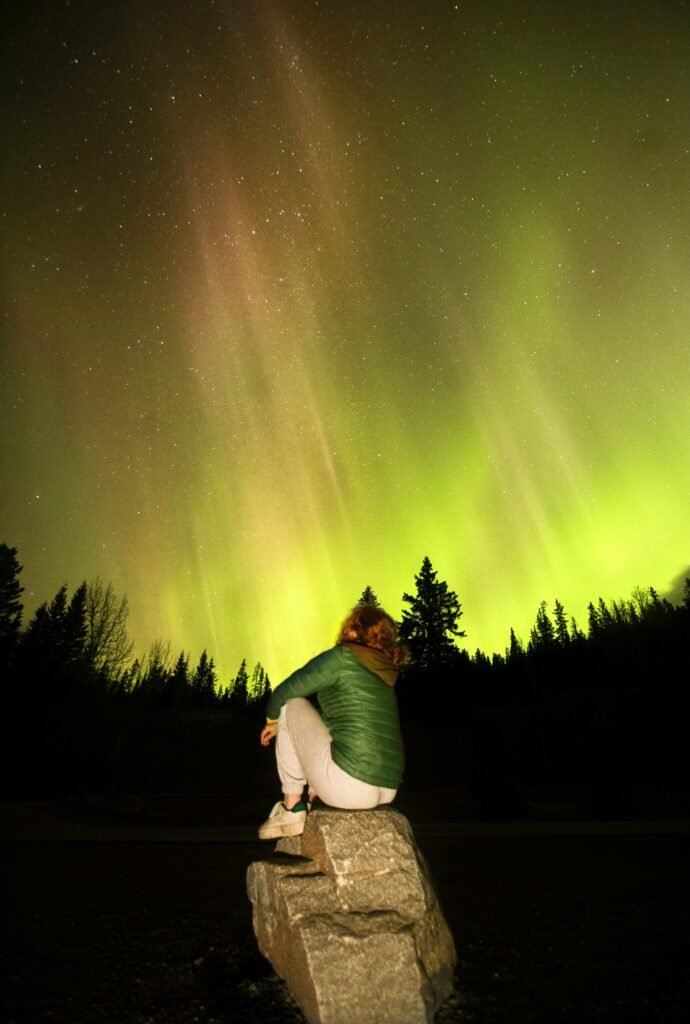
Northern Manitoba
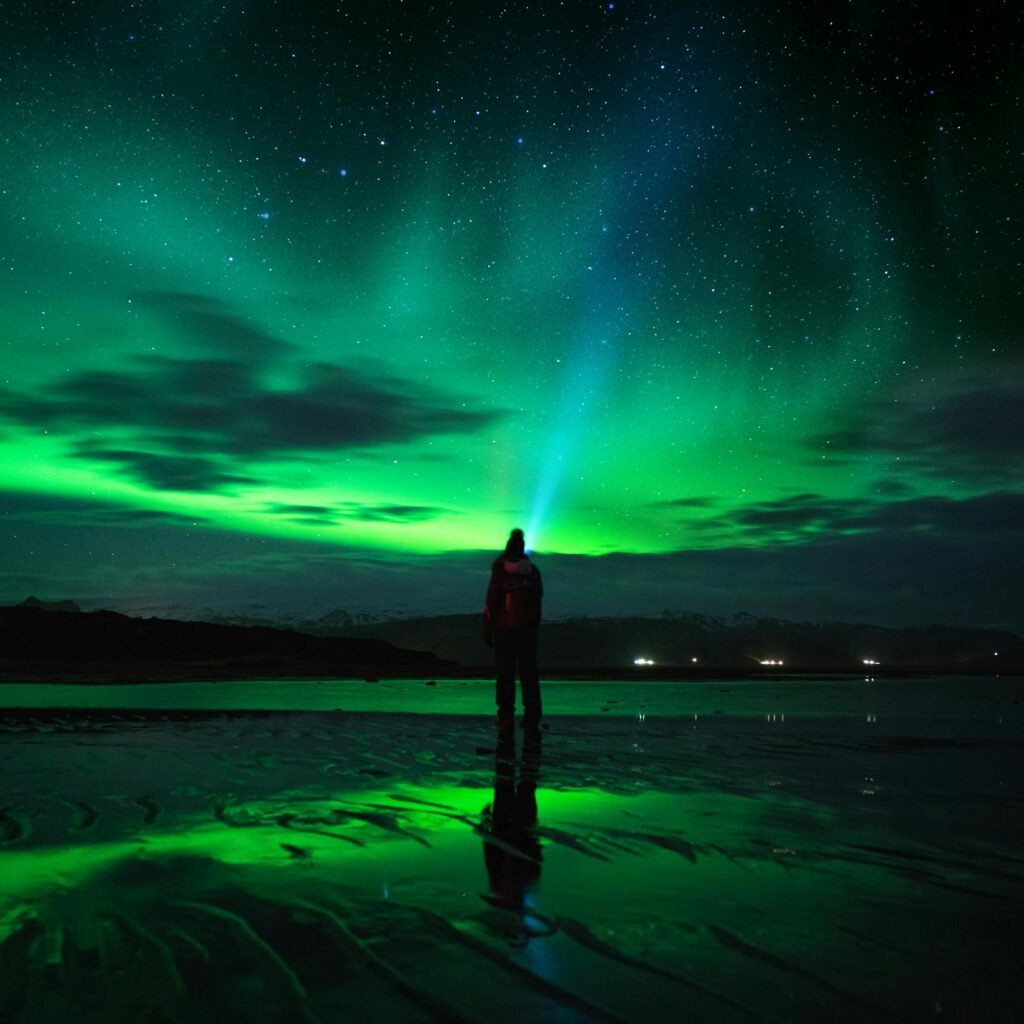
Yukon & Northwest Territories
Rural Alberta & Saskatchewan
Latest Articles
- Why Northern Lights Forecasts Are Sometimes Wrong
- Can You See Northern Lights With Your Phone? What Actually Works
- How Long Do Northern Lights Last? What to Expect in Real Time
- Do You Need to Travel North to See the Northern Lights?
- What Do Northern Lights Colors Mean? (Green, Purple, Red Explained)
- Is Seeing the Northern Lights Worth It? An Honest Beginner’s Perspective